
The Challenge
Tell us about yourself and the nature of your work
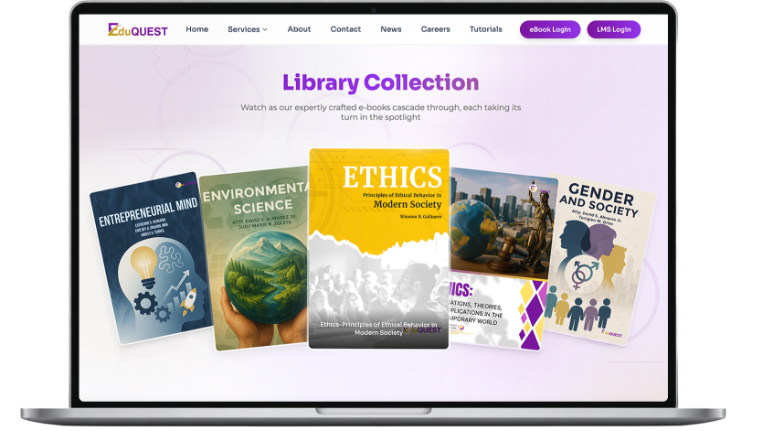
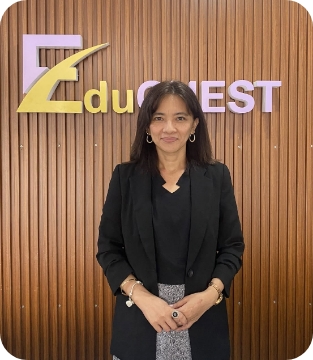
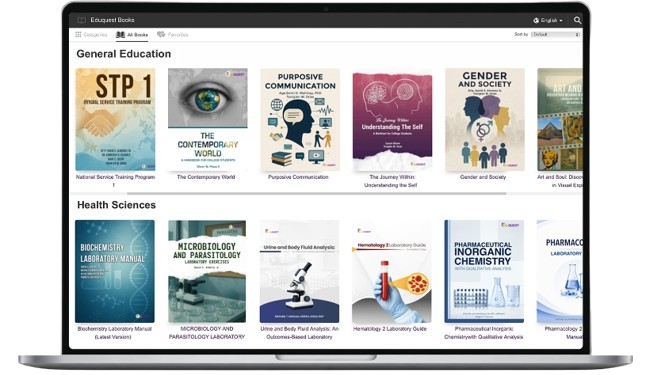
I’m the CEO of EduQuest Inc., an educational publishing and EdTech company based in Cagayan de Oro, Philippines. We develop digital learning materials for Philippine higher education, including ebooks written by Filipino educators and aligned with CHED curriculum standards. We also provide supporting materials for instructors alongside our publications. Before founding EduQuest, I spent 20 years working in educational publishing and EdTech sales.
What challenges did you face before using Kotobee?
We needed a way to deliver interactive, professionally packaged ebooks to universities, many of which operate with varying levels of internet access; some students or institutions need to access the ebooks offline or with limited connectivity. We also wanted to keep our own branding, protect our content, and give institutional clients controlled access to the materials. When we relied on ordinary PDFs and tried generic ebook creation tools, they didn’t meet all our requirements, especially as we prepared to produce and distribute titles at scale.
“We were looking for interactivity, offline access, content security, and white-label institutional delivery, and Kotobee brought all of those capabilities together in one platform.”
The Solution
What potential solutions did you explore that didn’t work out?
We considered a few different approaches, but each one had limitations. PDFs, for example, were very easy to distribute, but they didn’t give us the protection or interactivity we needed.
Generic ebook formats fell short when it came to institutional access control and offline use. We also considered LMS-based content, but that would have meant tying our materials to a single platform.
Ultimately, none of those options really matched the institutional licensing model we were building. We needed something that could give us more control over the content and how universities accessed it.
How did you hear about Kotobee?
I came across Kotobee while researching and comparing different ebook authoring platforms. At the time, we were designing our digital publishing workflow and looking for a solution that could support the way we wanted to create and distribute our titles.
What drove you to choose Kotobee?
There were several things that stood out to us. We were looking for interactivity, offline access, content security, and white-label institutional delivery, and Kotobee brought all of those capabilities together in one platform.
That was particularly important for EduQuest because we wanted to turn Filipino-authored educational content into professional, protected digital products that universities could easily use with their students. Kotobee provided the packaging and delivery capabilities we needed to support our institutional licensing model.
What specific aspect of your ebook are you most proud of?
For me, the most important part is where the content comes from. These are materials created by Filipino educators, for Filipino students, and mapped to our national curriculum. With Kotobee’s help, we’re able to take that local expertise and present it in a professional digital format that can stand alongside what global publishers are producing.
That balance is something we are particularly proud of. Kotobee takes care of the digital delivery, while the heart of these ebooks comes from our local educators to meet the needs of Filipino students.
“We started with just one university, and today, our ebooks are used by eight universities, with approximately 10,000 students accessing them through Kotobee.”
The Results
What metrics do you use to measure the success of your project? Has Kotobee affected those metrics in any way?
We mainly look at institutional adoption and student access. We started with just one university, and today, our ebooks are used by eight universities, with approximately 10,000 students accessing them through Kotobee. Being able to offer universities a reliable and professional way to access our content has been important as we’ve grown. It has also helped us meet the needs of institutional clients and build trust as we continue expanding.
The Future
What are your plans for the future?
Our next step is to scale our faculty publishing program. We want to help more Filipino professors turn their self-authored teaching materials into professionally produced digital titles that can be distributed nationally.
At the same time, we’re looking to expand our catalog into more major degree fields across the Philippines. Our goal is to make more locally authored educational content available to universities and students through a strong digital publishing model.